

Export packaging and labelling: international standards to know
Export packaging and labelling: six packaging requirements, wood packaging rules, seven mandatory label items and the differences between the EU, US, Japan and the Middle East.
Ta Thi Minh Phuong
Author
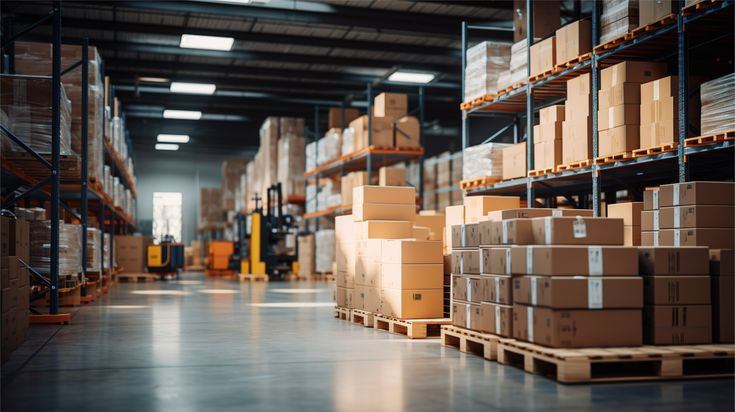
Packaging and labels are two small cost lines that cause the largest losses when you get them wrong: goods can be refused entry, relabelled at the port of arrival, or returned at a cost many times the packaging value. Three principles: the packaging must survive the journey, the label must be readable in the importing country's language, and every label detail must match the documents.
1. Six basic requirements of export packaging
It must survive the journey, not just packing day. Sea freight faces weeks of humidity and impact; cartons designed for domestic retail are usually not enough.
It must match how the container is loaded. Manual loading needs clearance for dunnage; with palletised cargo, carton dimensions must fit the pallet module to avoid wasting volume.
It must survive stacking. State the maximum number of layers and the weight limit per carton.
It must meet the specification agreed in the contract. A deviation in dimensions or units per carton is also a delivery defect.
It must carry international shipping marks: this way up, fragile, keep dry, stacking limit.
It must avoid materials banned or restricted in the importing country. Some markets restrict single-use plastic, foam or hard-to-recycle packaging.
2. Wood packaging and pallets: the most overlooked group
Wooden pallets and crates must be heat-treated or fumigated under the international standard for wood packaging in international trade, with the certification mark stamped on the material itself.
The mark must still be legible after transit. Faded marks, or marks applied with a separate printed label, are usually treated as invalid.
Plastic or paper pallets avoid this requirement but generally carry less load and cost more.
Audit the pallet supplier, not just the pallet. Counterfeit marks are a real risk, and the cargo owner pays.
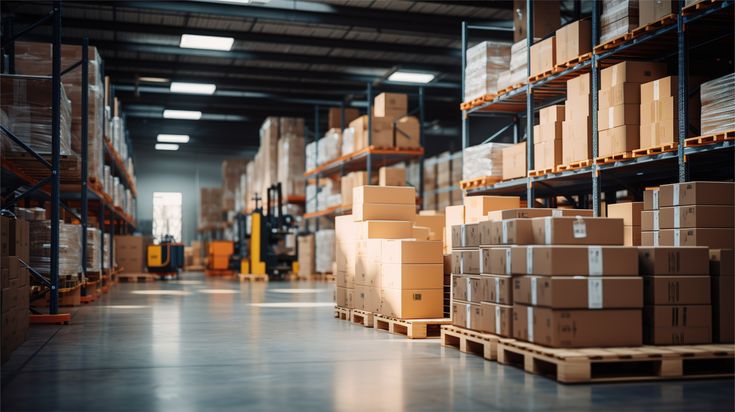
wood paper and pallet
3. Seven details required on the label
Product name and ingredients as required by the importing country.
Origin — "Made in Vietnam" or the country name in the required form.
Net and gross weight in the units that market uses.
Production date, expiry date and lot number for food and shelf-life goods.
Storage conditions where the product requires them.
Name and address of the manufacturer or importer under each country's rules.
GS1 barcode and recycling symbols where the market requires them.
Safe rule: print the label in the language the importing country requires, and make every detail agree with the invoice, packing list and certificates.
4. How labelling differs by market
Market | Common requirements |
|---|---|
EU | Language of the country of sale, ingredients, allergens, address of the responsible entity, recycling symbols |
US | Nutrition labelling for food, name and address of the distributor, warnings under specific rules |
Japan | Japanese labelling for consumer goods and food, strict rules on ingredients and expiry wording |
Middle East | Arabic or bilingual labelling, halal certification for relevant product groups |
China | Chinese labelling, label registration for imported food |
This table is only a starting point. Check every shipment against the contract and the current rules of the importing country — never reuse the last shipment's label without checking again.
5. Four requirements that are tightening
Recycled content and recyclability of packaging. Many markets now require disclosure and assign responsibility for packaging placed on the market.
Restrictions on single-use plastic and hard-to-recycle packaging. This directly affects packing costs for consumer goods.
Extended producer responsibility for packaging. In some markets the importer must register and pay a handling fee, usually pushed back to the supplier.
Carbon footprint and environmental disclosure. Not yet universal, but becoming a supplier selection criterion among large buyers.
For a business preparing to open a B2B channel, put this in the plan before calculating Alibaba storefront cost — packaging requirements usually appear in the very first trial order. Buyers on Alibaba increasingly ask for photos of actual packaging and material certificates, not only product photos.
6. Five mistakes that get goods returned or relabelled
Labels in English only when the importing country requires the local language.
Missing mandatory details such as the responsible entity's address or the lot code.
Label details that contradict the documents — wrong weight, ingredients or origin.
Pallets without a valid wood treatment mark.
Packaging that cannot take stacking, leading to damage and compensation claims.
7. Frequently asked questions
Can one label design be used for several markets? Better not. The safe approach is a common base design with a dedicated area for the language and mandatory details each market requires.
Should labels be printed in Vietnam or in the importing country? Vietnam is cheaper and you control quality, but content must be confirmed with the buyer before printing. Relabelling at the destination port costs far more.
Does packaging need certification? Usually no separate certification, except for wood packaging and packaging in direct contact with food.
8. Conclusion
Packaging and labelling are the easiest part of the export chain to control — and the easiest to underestimate. Three things to do now: confirm label content with the buyer before printing, verify the wood treatment mark of your pallet supplier, and run one packing trial before the large production run.
Talk to an advisor
ALIBABA.COM VIETNAM CO., LTD — ALIBABA VIETNAM
Head office: 19th Floor, Saigon Centre, 67 Le Loi Street, Ben Nghe Ward, District 1, Ho Chi Minh City
Branch: 10th Floor, Becamex Tower, 230 Binh Duong Boulevard, Thu Dau Mot, Binh Duong
Branch: 9th Floor, TTC Plaza, Vo Thi Sau Street, Thong Nhat Ward, Bien Hoa, Dong Nai
Call 0987258510 — Mr. Dân for a free consultation on packaging and labelling standards for each export market. Call 0987258510 — Mr. Dân
Related news

9/30/2025
Keyword Research Guide for the Furniture Industry
How to find what international customers are searching for and optimize your listings for visibility.
Read More →
9/21/2025
5 Mistakes to Avoid When Selling on Alibaba
Common pitfalls for new businesses starting out on Alibaba.com.
Read More →
10/17/2025
INSTRUCTIONS ON HOW TO SELL ON ALIBABA.COM
Are you ready to take your business to the international market? With a seller account on Alibaba.com, you can expand your business reach, reach millions of potential customers globally, and bring your products to the world. Below is a detailed guide to start your selling journey on Alibaba.com.
Read More →